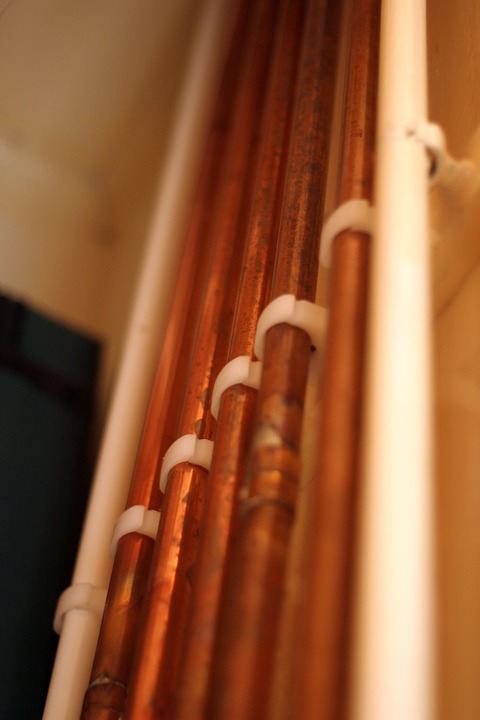
When it comes to maintaining a comfortable and efficient home, pipe insulation might not be the first thing on your mind, but it plays a vital role. Insulating your pipes can save you money, protect your home from potential damage, and even improve your water quality. Let’s explore why pipe insulation matters and how to choose the best solution for your home.
Why Insulate Your Pipes?
1. Prevent Frozen Pipes
In colder climates, uninsulated pipes are at risk of freezing during the winter. Frozen pipes can burst, causing extensive water damage and expensive repairs. Pipe insulation helps maintain a more consistent temperature, reducing this risk.
2. Energy Savings
Hot water pipes lose heat as water travels from your water heater to faucets or appliances. Insulation minimizes heat loss, allowing you to reduce your water heater’s energy consumption and lower your utility bills.
3. Prevent Condensation
Cold water pipes in humid environments can develop condensation, leading to water damage, mold, and mildew in your home. Insulating cold pipes prevents condensation by keeping moisture from forming on their surface.
4. Improved Water Temperature
Insulated hot water pipes ensure water stays hotter for longer, reducing the time you wait for hot water to reach your taps. This means less water waste and added convenience.
5. Noise Reduction
If you hear banging or creaking noises when water runs through your pipes, insulation can help. It dampens sound transmission, leading to a quieter home.
Types of Pipe Insulation
There are several types of materials to consider, each with unique benefits depending on your needs and budget:
1. Foam Insulation
- Material: Flexible polyethylene or rubber foam.
- Best For: Easy-to-access pipes in most parts of the home.
- Pros: Affordable, easy to install, and effective for both hot and cold pipes.
- Cons: Not ideal for high-temperature applications.
2. Fiberglass Insulation
- Material: Fiberglass with a vapor barrier (often foil-faced).
- Best For: High-temperature pipes, such as steam or boiler lines.
- Pros: Withstands extreme temperatures; highly durable.
- Cons: Requires careful installation to avoid skin irritation.
3. Foam and Foil Wraps
- Material: Foam insulation with an aluminum or foil covering.
- Best For: Pipes that need lightweight insulation.
- Pros: Simple to wrap around pipes and effective for hot water lines.
- Cons: Limited durability compared to other options.
4. Rubber Insulation
- Material: Flexible elastomeric foam rubber.
- Best For: Pipes that expand and contract or need UV resistance.
- Pros: Great for outdoor pipes; resists moisture and high temperatures.
- Cons: More expensive than other options.
DIY or Professional Installation?
DIY Installation
Insulating your pipes can be a straightforward DIY project, especially for exposed pipes in easy-to-reach areas like basements or crawl spaces. Foam tubes are particularly beginner-friendly, as they come pre-slit and simply slide over pipes.
Steps for DIY Installation:
- Measure your pipes to determine the correct insulation size.
- Cut the insulation to the needed lengths.
- Slide the insulation over the pipes, ensuring a snug fit.
- Seal any seams or joints with tape or clamps to prevent air gaps.
When to Call a Professional
If your pipes are hard to reach, or if you’re insulating complex systems like steam lines or outdoor pipes, hiring a professional ensures proper installation. A pro can also advise on the best materials for your specific needs.
Maintenance Tips for Insulated Pipes
- Inspect Regularly: Check your pipe insulation annually for signs of wear, moisture damage, or gaps.
- Replace as Needed: If the insulation is deteriorating, replace it to maintain its effectiveness.
- Protect Outdoor Pipes: Ensure exterior pipes have weatherproof insulation to handle extreme temperatures and UV exposure.
- Upgrade Where Necessary: Consider insulating all accessible pipes during renovations or repairs to improve efficiency.
Conclusion
Pipe insulation is a small investment with big benefits for homeowners. From preventing costly pipe bursts to improving energy efficiency and water quality, it’s a practical solution that enhances your home’s comfort and performance. Whether you tackle it as a weekend DIY project or hire a professional, insulating your pipes is a step toward a smarter, safer, and more efficient home.