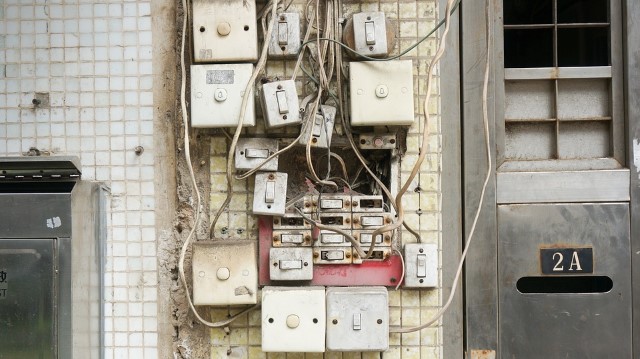
Electrical wiring is an essential part of every home, enabling us to enjoy everything from basic lighting to the latest technology. However, it’s also an area that can be complex and even dangerous if not properly understood or maintained. Whether you’re building a new home, renovating an old one, or simply trying to ensure your electrical system is safe and efficient, having a solid understanding of residential wiring is important.
Here’s a comprehensive guide on wiring for homeowners, covering safety tips, common problems, and how to handle electrical upgrades.
1. Understanding Your Home’s Electrical System
At the heart of every electrical system is the wiring, which connects your electrical devices to the power supply. In most homes, the wiring consists of copper or aluminum wires, with various circuits serving different areas of the home. These circuits are connected to a breaker panel, which distributes electrical power and protects the system from overloads.
Knowing how your home’s electrical system is laid out can be crucial when you need to make upgrades or troubleshoot problems. A typical electrical system will include:
- Main Service Panel (Breaker Box): This panel receives power from the utility company and distributes it throughout your home. It includes breakers that control the power to specific circuits.
- Circuit Breakers: These switches automatically cut off power to a circuit if an overload or short circuit occurs, protecting your home from potential fires.
- Wiring: The wires that carry electricity from the service panel to outlets, switches, and light fixtures.
2. Electrical Safety: What Every Homeowner Should Know
Electrical systems are among the leading causes of house fires, which is why safety should always be the top priority when it comes to wiring. Here are some key safety tips to keep in mind:
- Regular Inspections: Have a licensed electrician inspect your home’s wiring regularly, especially if your home is over 30 years old. Older systems may not be equipped to handle modern electrical loads, increasing the risk of faults or fires.
- Avoid Overloading Circuits: Do not plug too many devices into one outlet or extension cord. Overloading circuits can cause overheating, resulting in potential electrical fires.
- Replace Faulty Wiring: Frayed or exposed wires should be replaced immediately. Faulty wiring is one of the most common causes of electrical fires.
- Ground Fault Circuit Interrupters (GFCIs): Install GFCIs in wet areas like kitchens, bathrooms, basements, and outdoor spaces. These devices detect imbalances in the electrical current and shut off power to prevent shock hazards.
- Proper Grounding: Ensure that electrical outlets and appliances are grounded. This helps direct any stray electrical current safely into the ground rather than through your body.
3. Common Wiring Problems in Homes
Even with a good understanding of your wiring, problems can arise. Some common issues homeowners face include:
- Tripped Circuit Breakers: If a circuit breaker trips frequently, it could indicate an overloaded circuit or a more serious electrical fault. A licensed electrician can diagnose and fix this issue.
- Flickering or Dimming Lights: This often points to a loose or outdated connection in the wiring. It can also be a sign of faulty switches, circuit overload, or a failing electrical panel.
- Hot Outlets or Switches: If outlets or switches feel hot to the touch, this could indicate that the wiring is not properly installed or there’s too much load on the circuit. This should be addressed immediately by an electrician.
- Buzzing or Sparking Outlets: These are major red flags indicating faulty wiring or a serious risk of electrical fire. If you notice any sparks or hear buzzing sounds, stop using the outlet and contact a professional right away.
4. Upgrading or Rewiring Your Home
There are many reasons why you might need to upgrade or rewire your home’s electrical system:
- Renovations: Adding rooms, upgrading the kitchen, or converting spaces can all require changes to your electrical system. Be sure to work with an electrician to install the appropriate outlets, switches, and lighting for the new space.
- New Appliances: If you’re upgrading to energy-hungry appliances like electric stoves, central air conditioners, or large home theater systems, your existing wiring may not be sufficient to handle the new load. An electrician can assess your system and make the necessary upgrades.
- Outdated Wiring: Homes built before the 1960s may still have outdated aluminum or knob-and-tube wiring, which isn’t as safe as modern copper wiring. If you’re experiencing frequent electrical problems or live in an older home, rewiring may be necessary to ensure safety and meet current code requirements.
5. DIY Electrical Projects: When to Call a Professional
While there are some minor electrical repairs that homeowners can do themselves, many wiring tasks should only be handled by a licensed electrician. Here’s a breakdown of what’s generally safe to do on your own and when to call in the pros:
- Safe DIY Tasks:
- Replacing light fixtures and switches.
- Installing new outlets (if the circuit is already in place).
- Changing fuses or resetting circuit breakers.
- When to Hire a Professional:
- Wiring or rewiring circuits.
- Installing a new electrical panel or upgrading your system.
- Troubleshooting persistent electrical issues that could signal a deeper problem.
- Any work involving high-voltage wiring or connections.
Electrical work can be complicated, and improper installations or repairs can lead to fires, electrical shocks, or more serious damage. When in doubt, always hire a qualified electrician to ensure the safety and efficiency of your home’s electrical system.
Final Thoughts
Your home’s wiring system is a critical part of everyday life, and keeping it safe and functional should be a priority for any homeowner. Regular maintenance, proper installation, and understanding basic electrical principles can go a long way in protecting your home, family, and belongings. If you notice any signs of electrical problems, don’t hesitate to call in a professional—your safety is worth the investment!