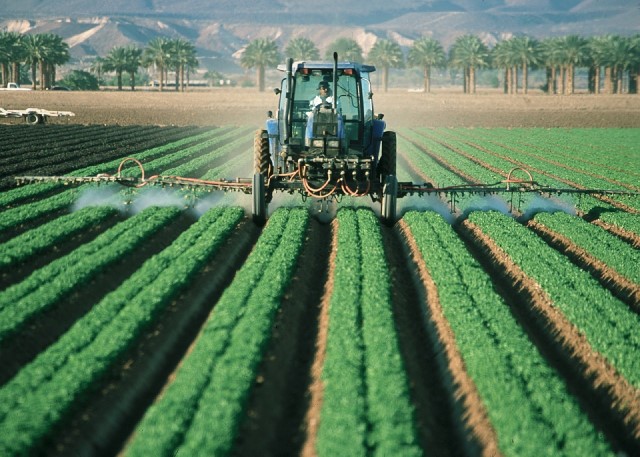
As a homeowner, maintaining a healthy and vibrant garden can be challenging, especially when faced with pests that threaten your plants. Pesticides can be an effective solution, but it’s essential to understand their use and implications.
Pesticides are chemical substances designed to kill or control pests, including insects, weeds, and fungi. They come in various forms, including sprays, granules, and baits. While they can provide quick results, homeowners should prioritize safety by carefully reading labels and following application instructions.
One critical aspect to consider is the impact of pesticides on beneficial insects, such as bees and butterflies, which play a vital role in pollination. Integrated Pest Management (IPM) is an alternative approach that combines various strategies—like biological control, habitat manipulation, and careful monitoring—to minimize pest damage while reducing reliance on chemicals.
If you decide to use pesticides, opt for targeted treatments and consider organic options that are less harmful to the environment. Always wear protective gear during application and ensure proper storage away from children and pets.
In summary, while pesticides can be useful tools for managing pests, homeowners should use them responsibly and explore holistic approaches to protect both their gardens and the ecosystem.