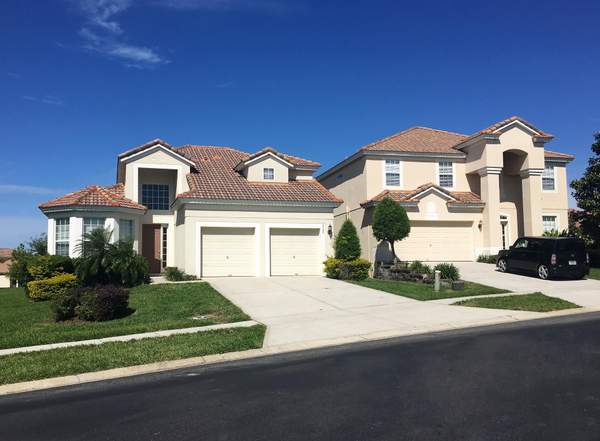
As climate change continues to reshape environmental conditions, the implications for residential properties are becoming increasingly significant. Homeowners and prospective buyers are now more than ever concerned about how these changes will affect their investments. A well-conducted home inspection is essential in identifying potential vulnerabilities that may arise due to evolving climate patterns, ensuring that properties are ready for a sustainable future.
Identifying Climate-Sensitive Areas
Professional home inspectors are now focusing on areas of homes that are most susceptible to climate-induced stress. These include:
- Roofing and Drainage: Inspectors assess roofing materials and drainage systems, ensuring they are capable of handling increased precipitation and extreme weather conditions. Roofing should be evaluated for its durability and resistance to wind and water damage.
- Insulation and Ventilation: Proper insulation and ventilation are critical in maintaining energy efficiency. Inspectors check for adequate insulation in attics and walls, as well as proper ventilation systems to manage indoor air quality and temperature.
- Foundation and Structural Integrity: Foundations are scrutinized for cracks or instability that could be exacerbated by fluctuating temperatures and moisture levels. Structural integrity is assessed to ensure the home can withstand severe weather events.
Incorporating Sustainable Practices
Adapting to climate change involves not only identifying vulnerabilities but also integrating sustainable practices into home inspections. Inspectors recommend:
- Energy Audits: Conducting energy audits to evaluate the home’s energy consumption and efficiency, which can help reduce the carbon footprint and utility costs.
- Water Management Systems: Implementing rainwater harvesting systems and efficient irrigation practices to conserve water and manage stormwater runoff effectively.
- Use of Sustainable Materials: Encouraging the use of eco-friendly building materials that have a lower environmental impact and increased resilience to climate-related stressors.
Adhering to Industry Standards
Home inspections are increasingly guided by industry standards that emphasize resilience and sustainability. Inspectors are trained to evaluate properties based on guidelines from organizations that set benchmarks for climate-adaptive construction and renovation.
In conclusion, future-proofing homes against climate change is a critical consideration for property owners. Employing professional home inspection services ensures that potential issues are identified early and addressed with sustainable solutions. This proactive approach not only protects investments but also contributes to a more resilient and eco-friendly living environment.